Call Us

+255 696 457 203

Living Traditions: Explore Tanzania’s Cultural Roots on Safari

Home to the Roof of Africa

Living Traditions: Explore Tanzania’s Cultural Roots on Safari

A Tanzanian safari isn’t complete without connecting with the people who have called this land home for centuries. At Savara Safaris, we offer immersive cultural experiences that go beyond the surface—honoring tradition, community, and storytelling.
Living Traditions: Explore Tanzania’s Cultural Roots on Safari

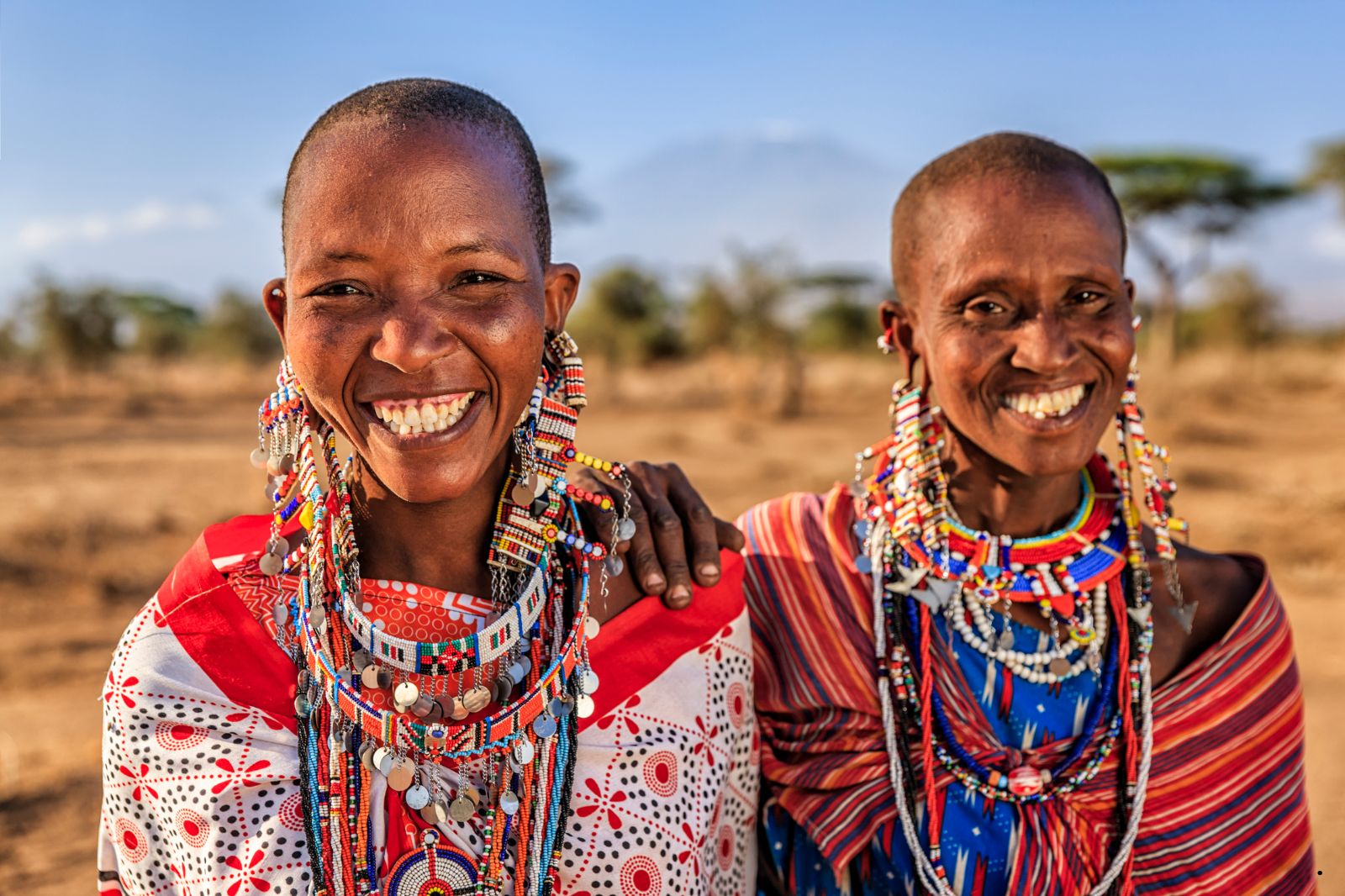
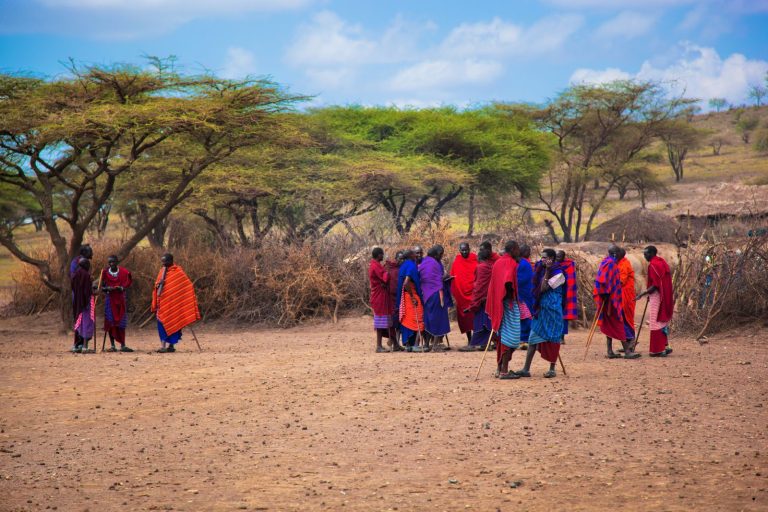
The Maasai: Guardians of the Land
Meet the iconic Maasai people in their villages, learn about their customs, beadwork, and warrior traditions, and understand their deep connection to the wildlife around them.

Hadzabe Hunter-Gatherers
In the Lake Eyasi region, the Hadzabe still live much like their ancestors—off the land, using bows, and living communally. Join them for a morning hunt or simply sit under a baobab tree and listen to stories passed down orally for generations.

Chagga Culture on the Slopes of Kilimanjaro
Visit coffee farms and caves used during tribal wars, and learn how this industrious community has thrived for generations around Mount Kilimanjaro.

Ethical Encounters, Always
We partner directly with local communities, ensuring that your presence is welcomed, respectful, and beneficial to the people you meet.


Travel deeper. A Savara cultural tour is not just sightseeing—it’s about sharing, listening, and celebrating what makes Tanzania truly special.
Other Blog Post

Mount Kilimanjaro

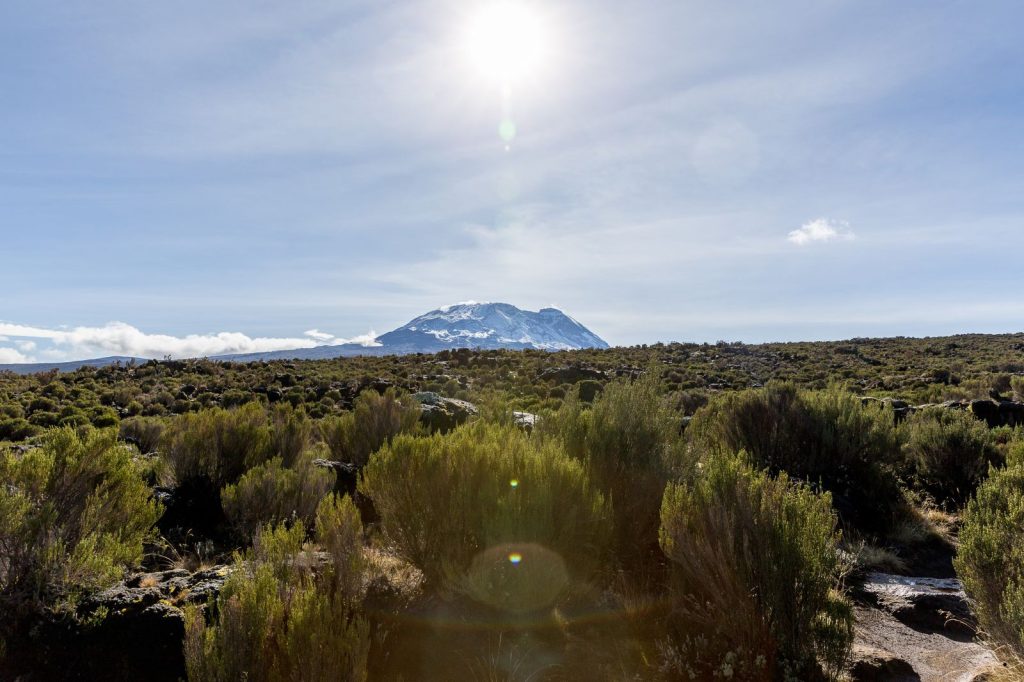
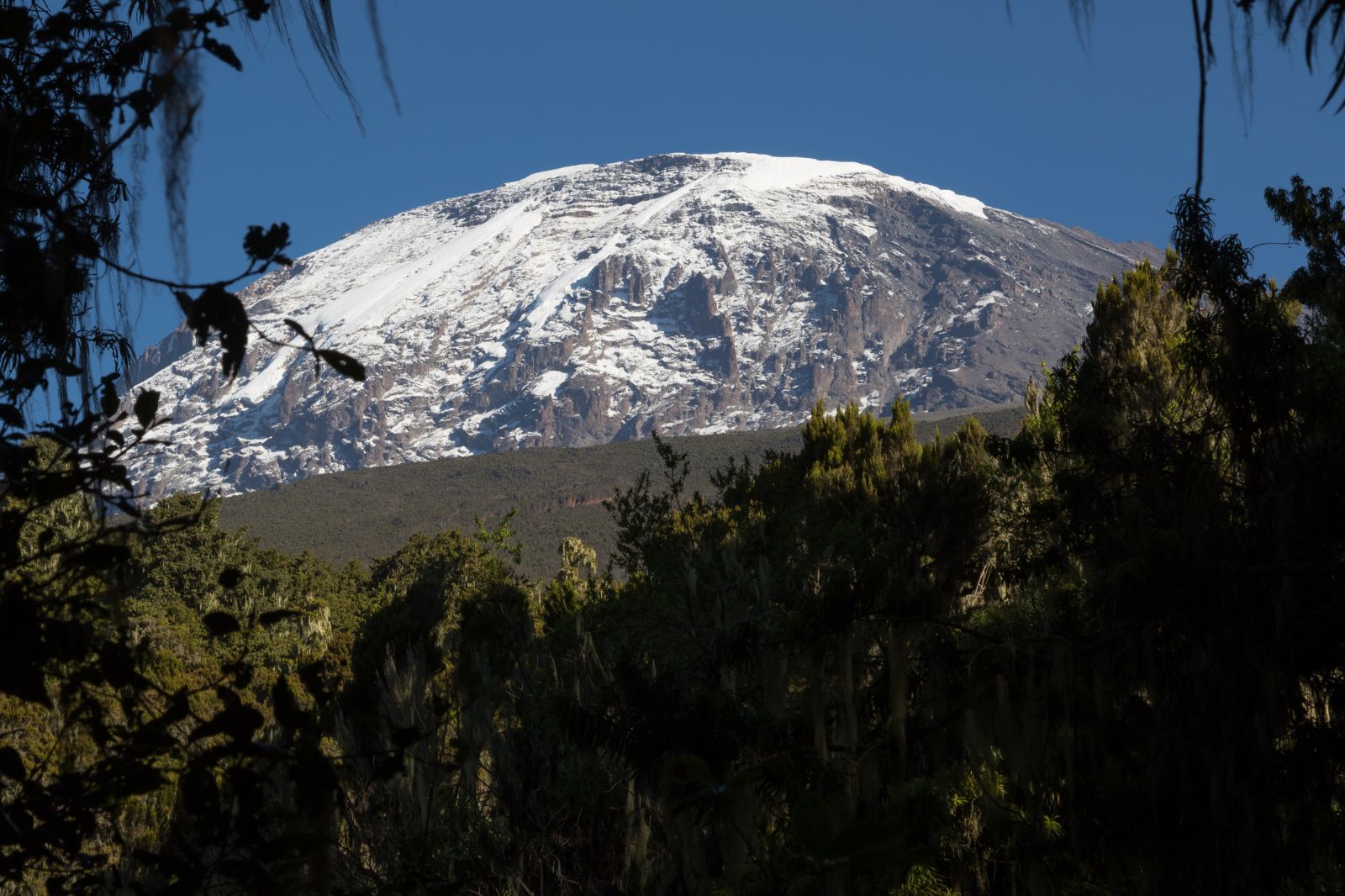
Mount Kilimanjaro National Park is home to Africa’s highest mountain and the world’s tallest free-standing volcano, rising to 5,895 meters (19,341 feet). A UNESCO World Heritage Site, the park spans lush montane forests, heathlands, alpine deserts, and a glacial summit. Trekkers and nature lovers alike are drawn by its rich biodiversity, scenic trails, and the opportunity to reach the fabled “Roof of Africa.”

Climb Kilimanjaro via the Marangu Route in 5 or 6 days with hut accommodations, professional guides, and stunning scenery.

Key Highlights

  • Africa’s Highest Peak – 5,895 meters above sea level
  • UNESCO World Heritage Site – Exceptional biodiversity and geological significance
  • Five Climate Zones – From tropical rainforest to arctic summit
  • Wildlife & Culture – Home to rare species and Chagga traditions
  • Unforgettable Sunrises – Above the clouds from high-altitude camps

Key Highlights

  1. Marangu Route (5–6 Days)
    Known as the “Coca-Cola Route”, Marangu is the only route with hut accommodations. It offers a gentle slope but is less scenic as you ascend and descend on the same path.

  2. Machame Route (6–7 Days)
    Dubbed the “Whiskey Route”, this is a popular choice for its beautiful scenery and better acclimatization profile. Steeper than Marangu, it’s a favorite among experienced trekkers.

  3. Lemosho Route (6–8 Days)
    A scenic and quieter trail that offers a high success rate. It approaches from the west and merges with the Machame route, providing excellent acclimatization and stunning views.

  4. Rongai Route (6–7 Days)
    The only route that starts from the northern side near the Kenyan border. It’s a drier trail with fewer crowds and great views over the Amboseli plains.

  5. Umbwe Route (5–6 Days)
    The most challenging route due to its steep ascent. It’s ideal for seasoned climbers looking for a direct, demanding trail with fewer trekkers.

  6. Northern Circuit Route (8–9 Days)
    The longest and newest route on Kilimanjaro, offering excellent acclimatization and panoramic views. Less crowded and ideal for those seeking a slower pace.

Climb Kilimanjaro via the Marangu Route in 5 or 6 days with hut accommodations, professional guides, and stunning scenery.

Why Visit Mount Kilimanjaro National Park?

Kilimanjaro offers one of the most iconic trekking experiences in the world. It’s a non-technical climb, meaning no ropes or climbing gear are needed—just strong determination and a good support team. Whether you’re here to summit or explore its lower slopes, the park offers an adventure through dramatically changing landscapes, cultural stories, and jaw-dropping views.